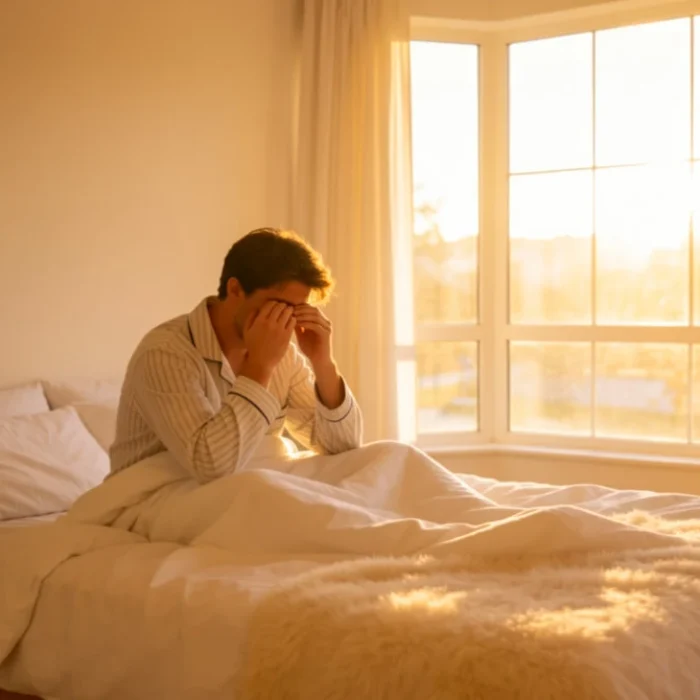
Why Do Some People Wake Up Feeling Tired After a Full Night's Sleep?
Many adults believe that getting seven to nine hours of sleep should automatically leave them feeling refreshed the next morning.
Yet for some people, waking up tired remains a daily frustration—even after spending what seems like enough time in bed.
Feeling exhausted after a full night’s sleep is more common than many realize, and the explanation often involves more than simply the number of hours slept.
Sleep quality, lifestyle habits, stress levels, and overall health can all influence how rested you feel when you wake up.
Sleep Duration vs. Sleep Quality
Sleeping longer does not always mean sleeping better.
During the night, the body cycles through different stages of sleep, including light sleep, deep sleep, and REM (rapid eye movement) sleep.
Each stage plays an important role in physical recovery, memory consolidation, emotional regulation, and overall wellbeing.
If these natural sleep cycles are frequently interrupted, the body may not achieve the restorative sleep it needs—even if you spend eight hours in bed.
Common Reasons You May Wake Up Feeling Tired
Several everyday factors may contribute to feeling unrefreshed after sleep, including:
- Frequent nighttime awakenings
- High levels of stress or anxiety
- An inconsistent sleep schedule
- Excessive screen time before bed
- Alcohol or caffeine consumed too close to bedtime
- An uncomfortable sleep environment
- Poor sleep hygiene
Sometimes, people briefly wake during the night without remembering it the next morning, reducing the overall quality of their sleep.
The Impact of Stress on Overnight Recovery
When the mind remains active, the body may continue producing stress hormones such as cortisol, making it harder to achieve deep, restorative sleep.
Many people experiencing ongoing stress report:
- Light sleep
- Restless nights
- Morning fatigue
- Difficulty concentrating during the day
- Low energy despite adequate sleep duration
Supporting relaxation before bedtime may help the body transition more naturally into restful sleep.
Lifestyle Habits That May Improve Morning Energy
Small daily habits can often make a noticeable difference over time.
Many sleep specialists recommend:
- Going to bed and waking up at consistent times
- Limiting screen exposure before bedtime
- Keeping the bedroom cool, dark, and quiet
- Avoiding large meals, alcohol, and excessive caffeine late in the day
- Staying physically active during the day
- Creating a relaxing bedtime routine
Consistency is often more important than occasional perfect nights of sleep.
Could an Underlying Health Condition Be Contributing?
Persistent morning fatigue is not always related to lifestyle.
In some cases, medical conditions such as sleep apnea, restless legs syndrome, thyroid disorders, iron deficiency, or other health concerns may interfere with sleep quality.
If tiredness continues despite healthy sleep habits, or if symptoms become severe, it is important to consult a qualified healthcare professional for a proper evaluation.
Exploring Additional Sleep Support
Alongside healthy sleep habits, some adults choose to explore wellness products designed to support relaxation, healthy sleep cycles, and nighttime recovery.
These products are generally intended to complement—not replace—a healthy lifestyle and consistent bedtime routine.
Understanding how lifestyle habits and sleep-support options work together may help individuals make more informed decisions about their overall wellbeing.
In Summary
Waking up tired after a full night’s sleep can have many possible causes, and sleep duration is only one piece of the puzzle.
Factors such as sleep quality, stress, daily habits, and overall health all contribute to how rested you feel each morning.
By focusing on consistent sleep routines, healthy lifestyle choices, and effective relaxation strategies, many people may improve both their sleep quality and daytime energy over time.
Related Sleep Support Reviews
If you’re interested in learning more about products designed to support better sleep and nighttime relaxation, you may also find these reviews helpful:
Disclaimer: This article is for informational purposes only and does not constitute medical advice. Always consult a qualified healthcare professional regarding sleep concerns or before starting any dietary supplement.